WATCH THE FILM
a hybrid approach
to the moving image
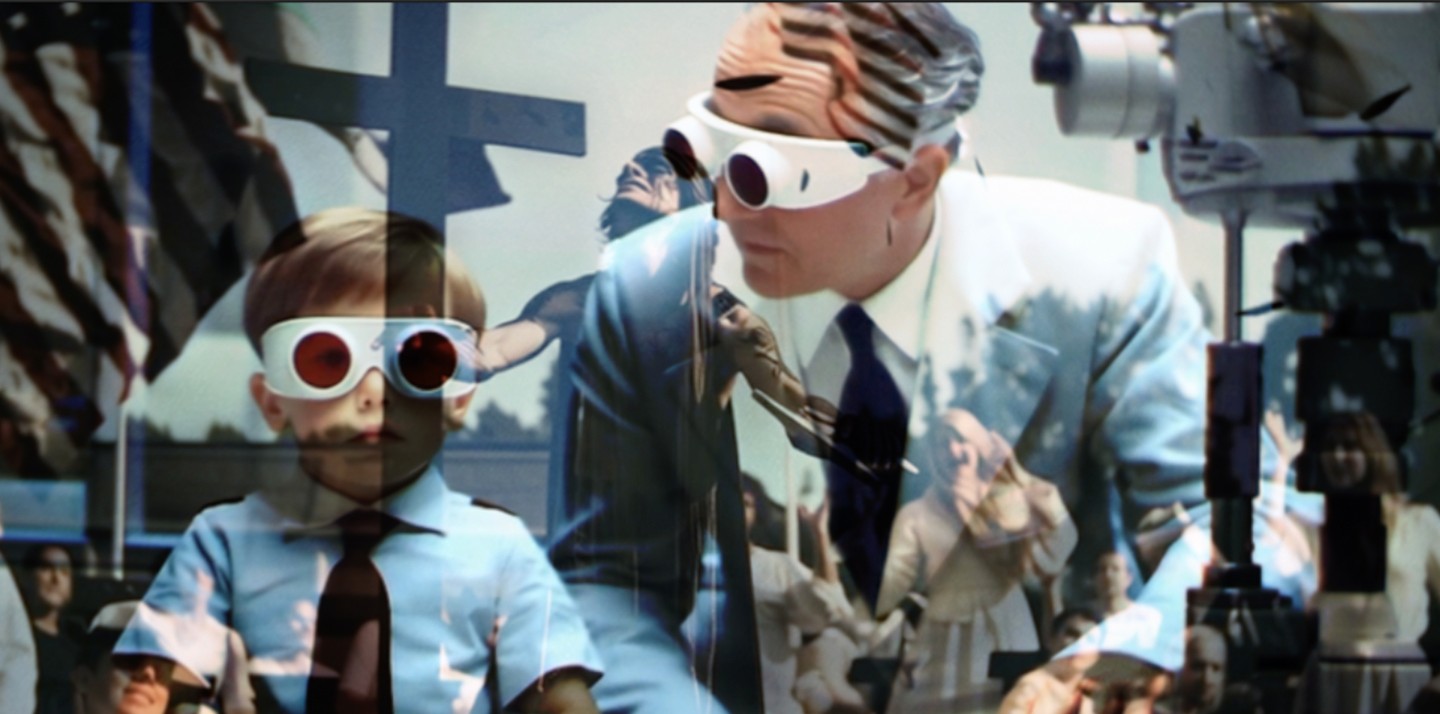
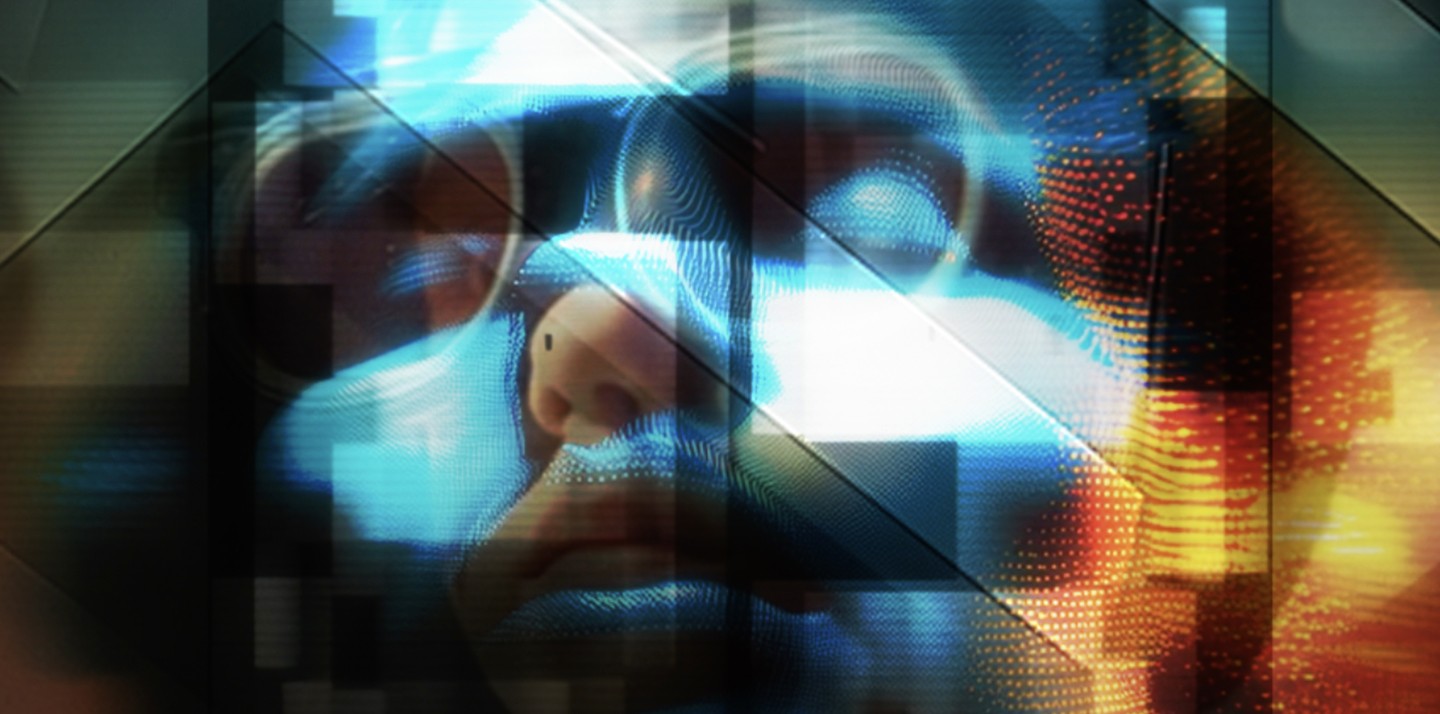
Boiling Fur: Combray emerges from a working method that begins not with a camera or a screen, but with printed matter; old magazines, newspapers, found photography. Images are studied and then deliberately dismantled into their elements: the composition noted, the light described, the mood re-imagined for a different scene. What gets typed into the generator is not a description of what exists but a reconstruction of what might have existed, filtered through the filmmaker's eye and crafted for the logic of the work.
The results are never quite what was written for. That gap between the prompt's intention and resulting image is where the work truly begins. Probability and the model's own accumulated vision introduce elements no brief could have anticipated. The task is to recognize which of those accidents carry narrative charge, and to carry them forward.
the television
as structure
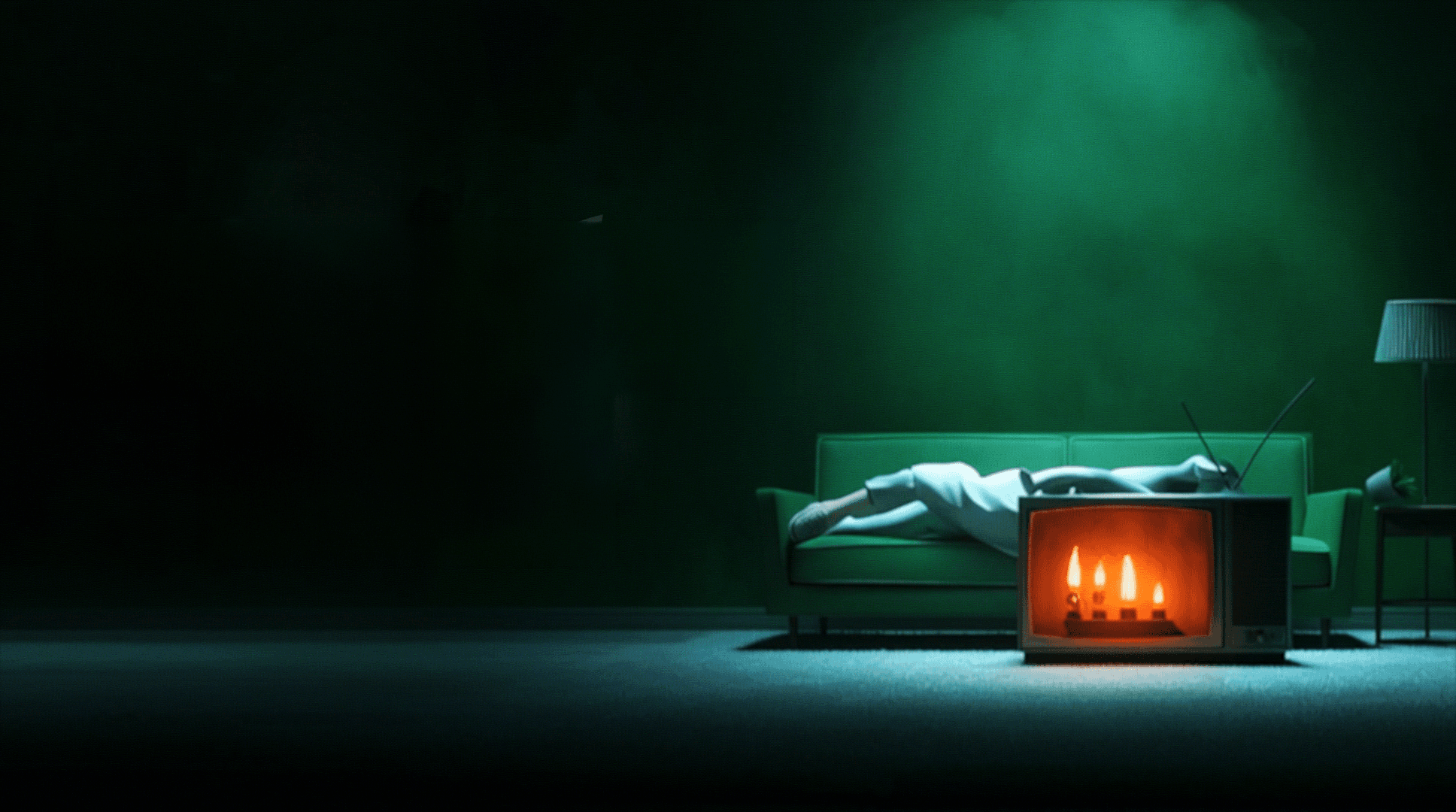
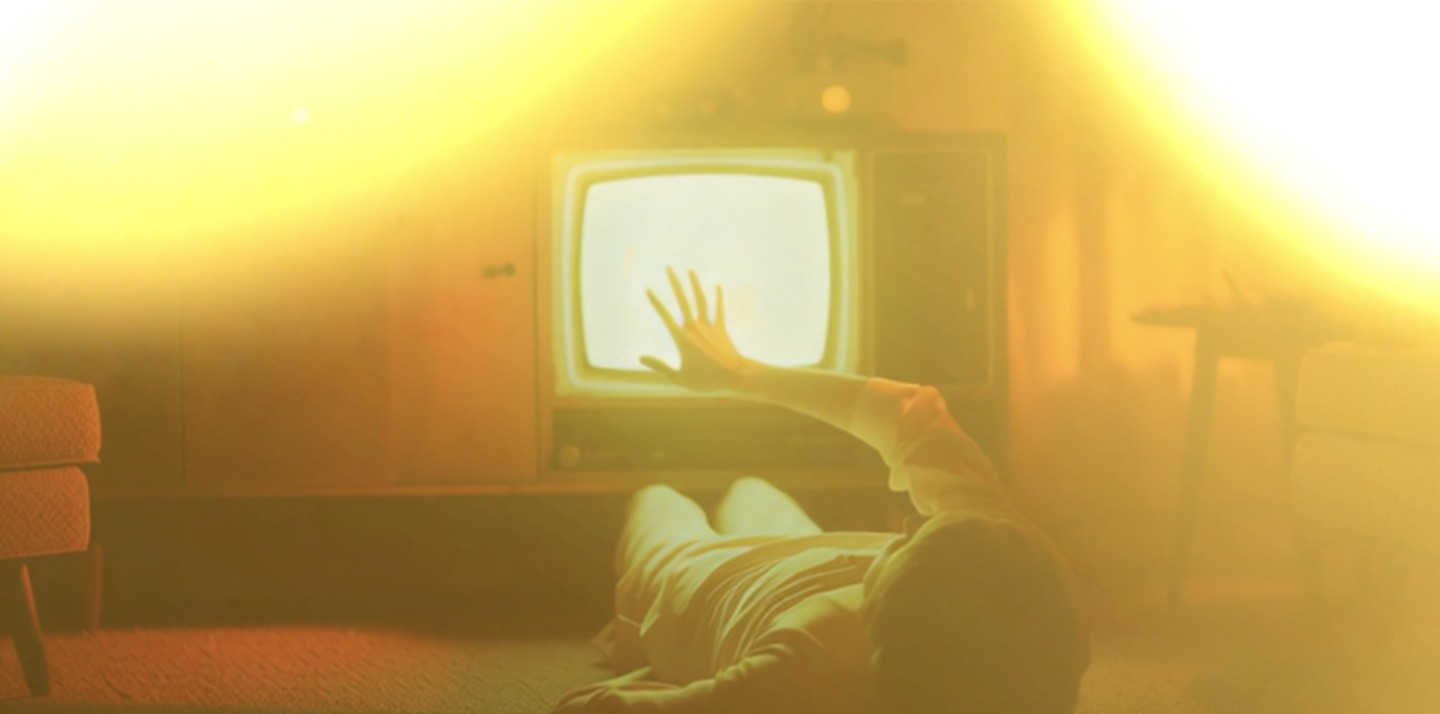
Period CRT televisions appear throughout Boiling Fur as frames-within-frames with each screen carrying its own content, its own era, its own emotional frequency. The effect is less montage than simultaneity: the sense that multiple broadcasts are always happening at once, that memory and media are indistinguishable.
This structure draws on Proust's In Search of Lost Time, specifically the Combray section, where involuntary memory collapses time, leaving phantasmic relics of the past floating like motes in the rays of perception. The television set, here, is the Proustian mechanism updated for the broadcast generation.
compositing
as method
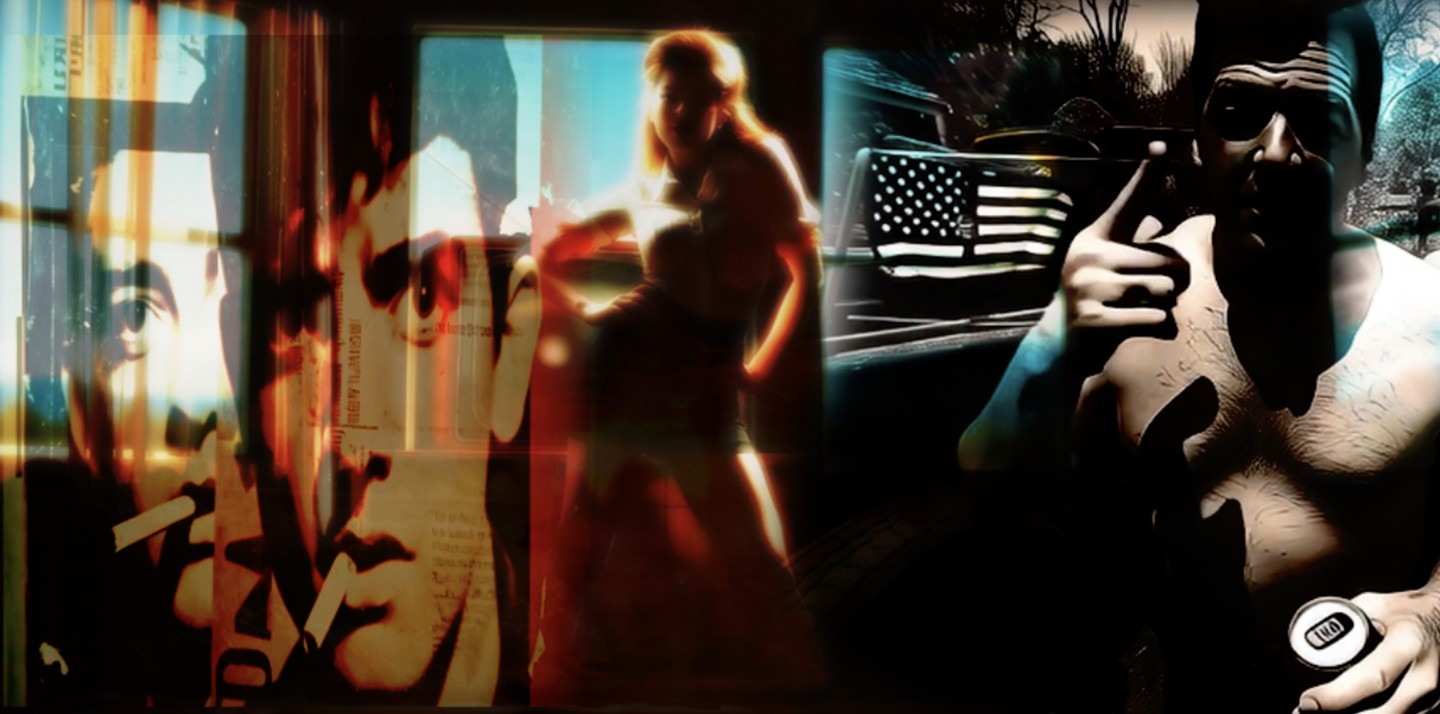
Where the film does its most intensive work is in the superimposition images. Faces bleed through flags. Figures dissolve into one another. Archival footage surfaces through contemporary imagery like something remembered imprecisely. The source material — whether generated, filmed, or found — enters the composite stripped of its original context, carrying only what the eye decides to keep.
This is not a technical effect applied after the fact. The compositing is the editorial logic of the film. Decisions about what to layer, at what opacity, with what color relationships, drive meaning the same way that cutting drives meaning in conventional editing.
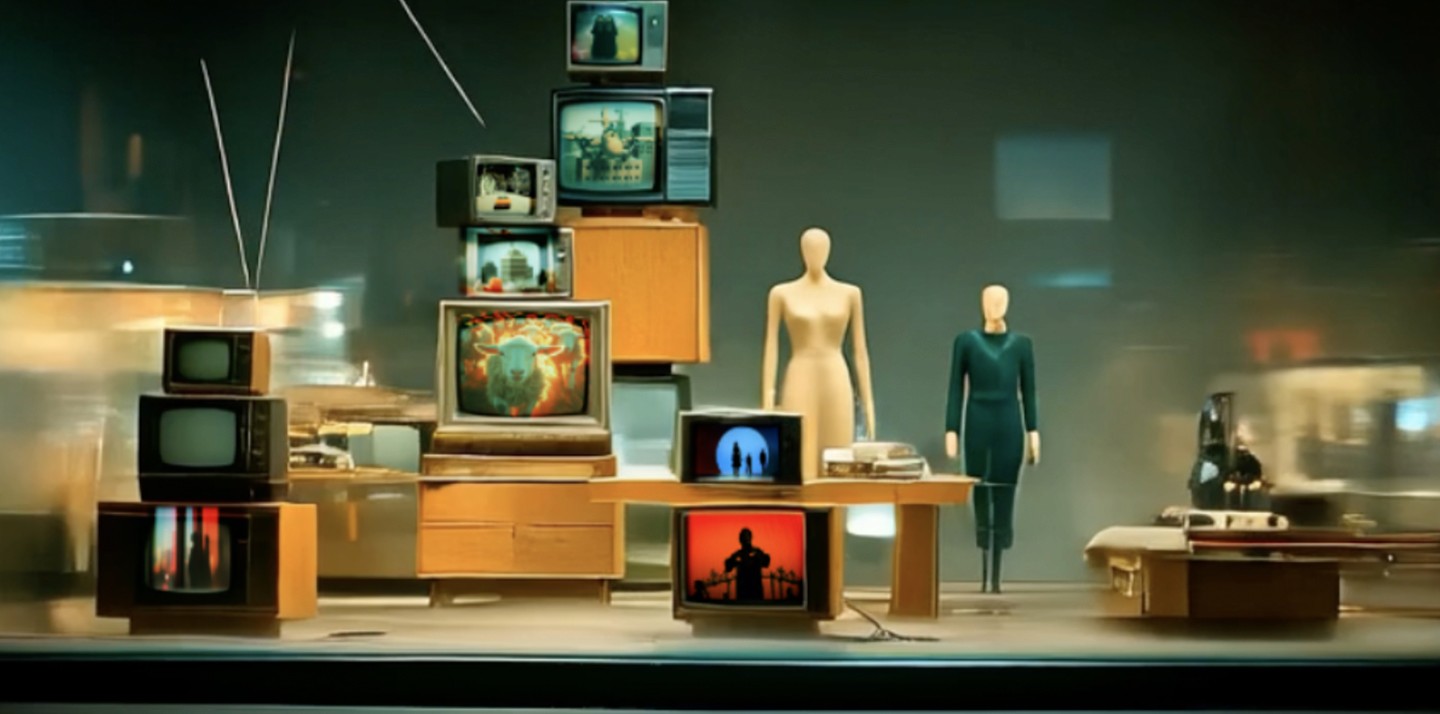
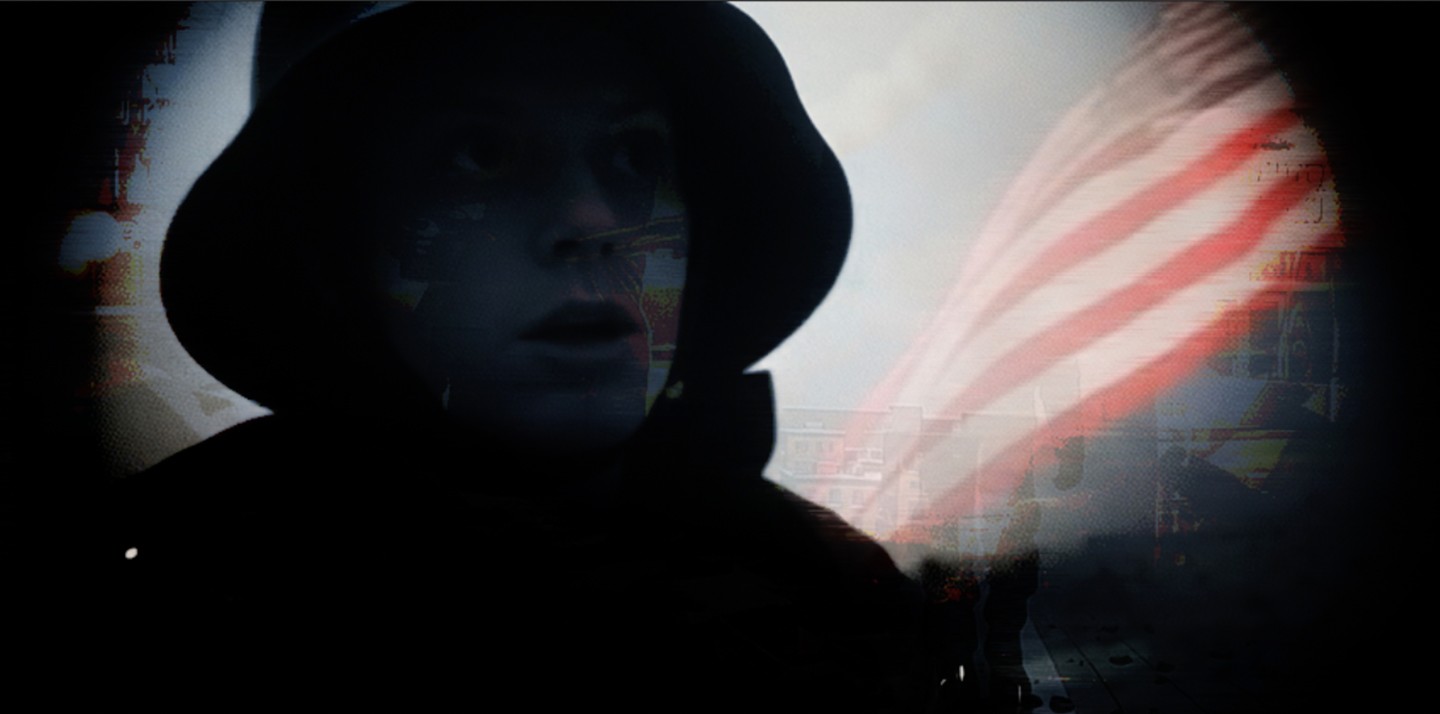
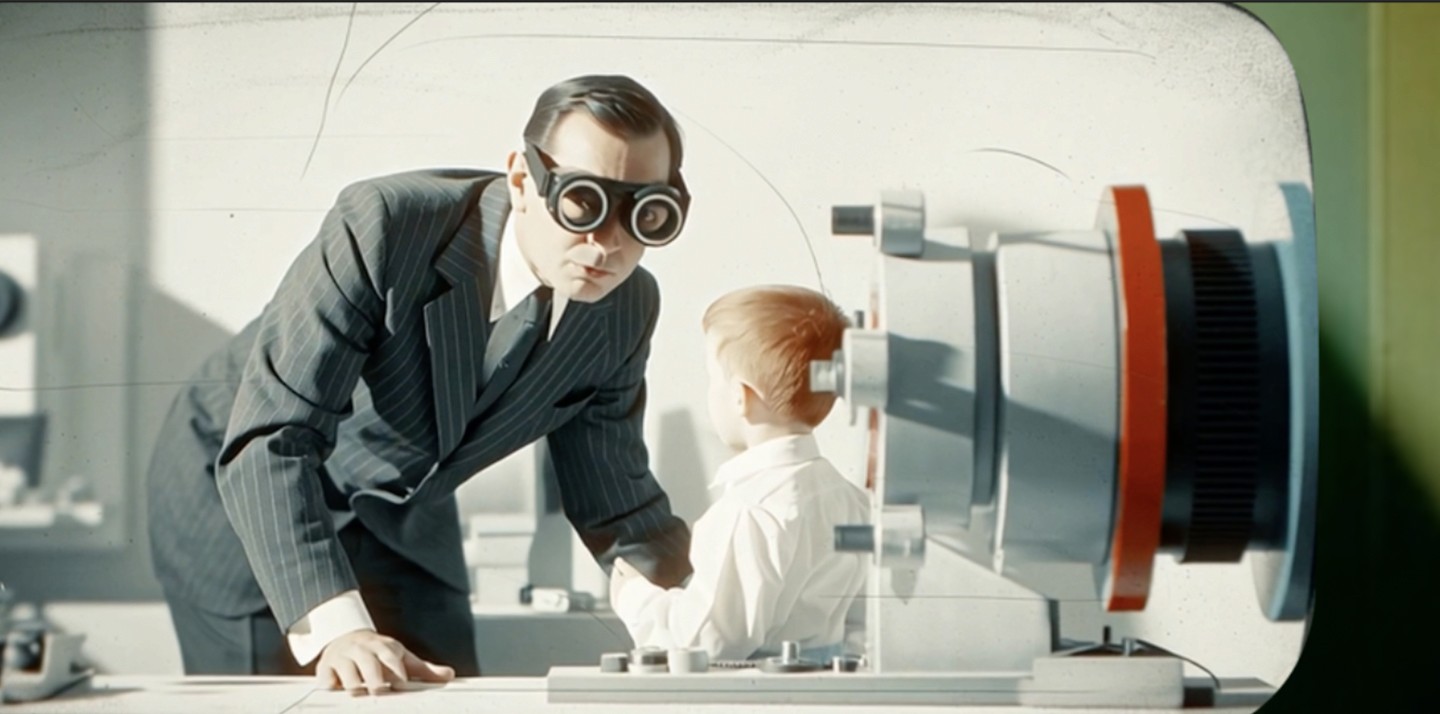
The images don't remember where they came from, a sort of amnesia that is the central thesis.
TELEVISION MONTAGE — SUPERIMPOSITION LAYER IN MOTION
the image as
found object
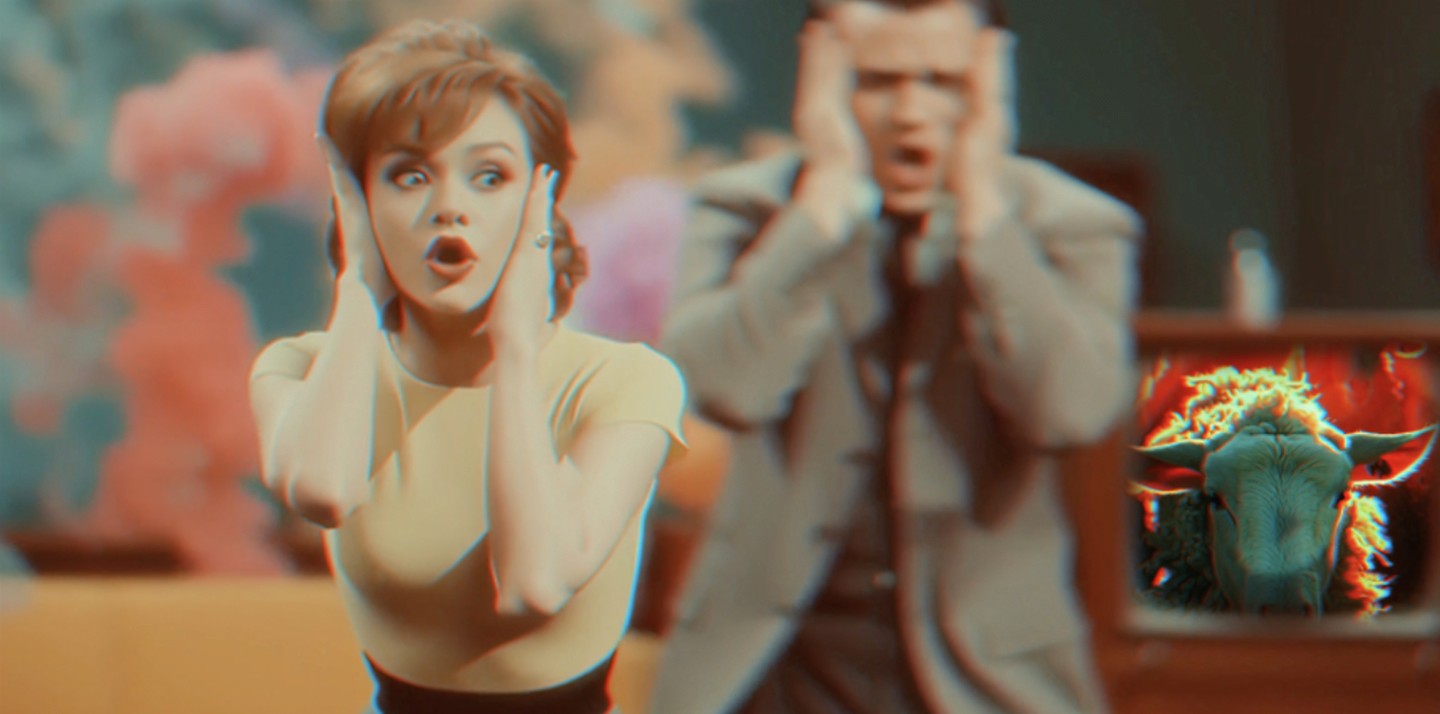
Generated imagery arrives already dreamed but that dream is itself seeded by hand. Each prompt begins with a physical image: a page from a mid-century periodical, a press photograph, a fragment of printed advertising. The image is read closely, then re-described in language that belongs to the film rather than to the source. All the compositional elements remain casting the same light in a different world, the same posture in a different time. That written description is the prompt.
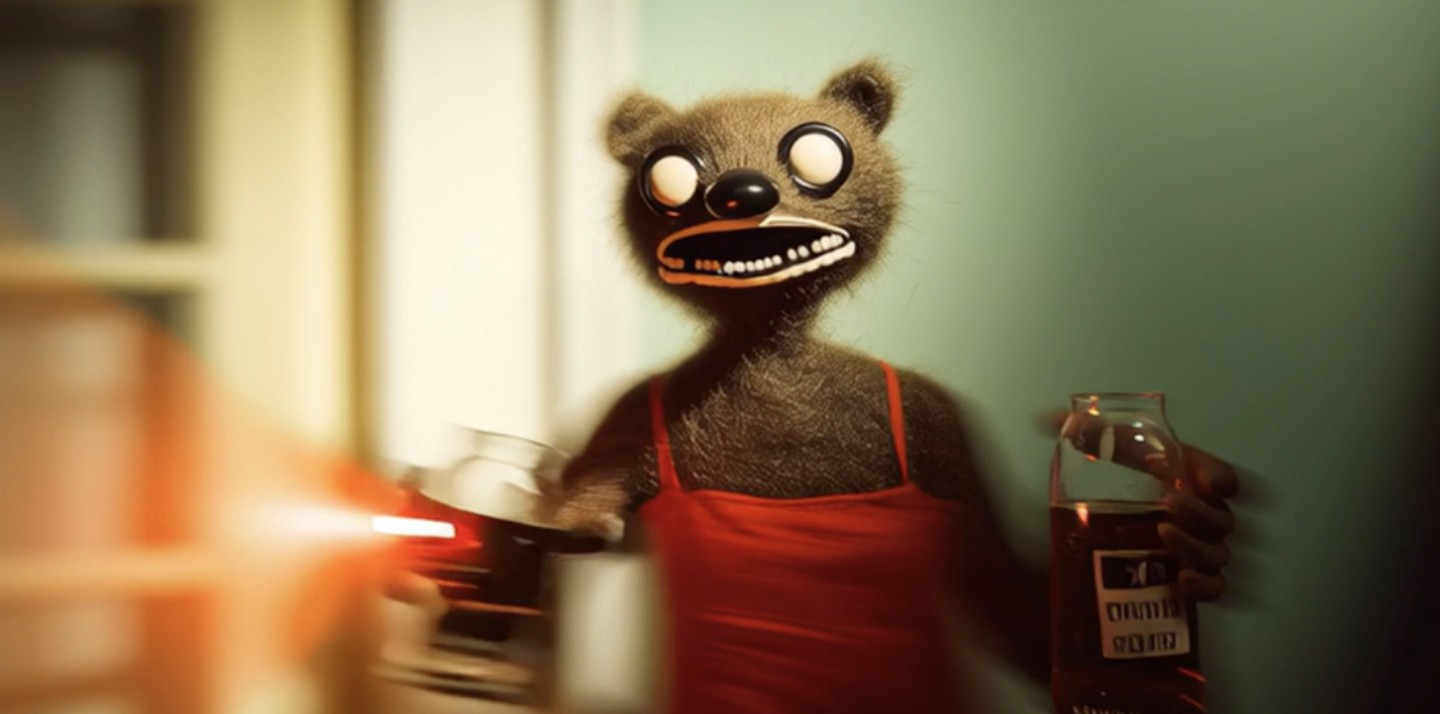
What returns from the generator is never a reproduction of the source. It is an interpretation of an interpretation, a copy of a copy, a cast shadow in the purest Platonic sense. The model's vast probabilistic imagination working on a human re-telling of a printed image. The excess, the drift, the elements that weren't asked for: these are the nuggets. Not every result carries a nugget worth exploring, but the ones that do carry something the filmmaker alone could not have placed there, and that is precisely their value.
reconstructing the
deconstructed
The process described here is, at its root, a collage methodology, the same practice that has driven my work for decades, now operating across different materials. Printed images are deconstructed into language. Language is fed into a generator. The generator produces new images. Those images are composited with filmed footage and archival material. At every stage, the human hand intervenes by selecting, discarding, and redirecting to finally rest on the accident worth keeping.
" height="21px" id="iICBs0NAi" transform="translate(0 1)" width="23.999999882506927px"/></svg>)
" height="20.999999999999993px" id="yKhQz7qlS" transform="translate(0 1.5)" width="24px"/></svg>)